
Unlock Your Powerhouse: Avoiding Common Core Engagement Mistakes in Pilates
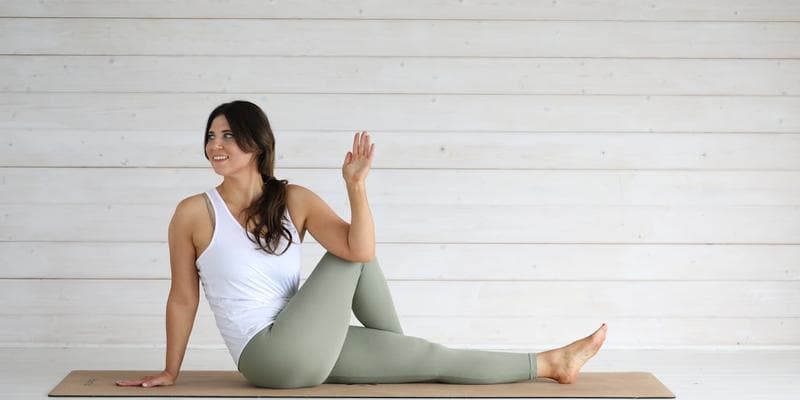
(July 2026) Pilates, renowned for building strength, flexibility, and control, hinges on one critical principle: core engagement – your "powerhouse." Yet, mastering this foundational element is where many practitioners, from beginners to experienced, often stumble. By identifying and correcting common missteps, you can elevate your practice and truly harness the transformative benefits of Pilates.
Here are some frequent core engagement mistakes and how to navigate them:
-
Mistake 1: Holding Your Breath or Shallow Breathing
- Why it happens: The intensity of the movement or a hyper-focus on form can lead people to unconsciously hold their breath or breathe superficially, negating the rhythm and support breath provides.
- How to fix: Actively link your breath to your movement. Inhale to prepare, exhale deeply to initiate and sustain the effort. This diaphragmatic breathing helps activate deeper core muscles and maintains a steady flow of oxygen.
-
Mistake 2: "Sucking In" Instead of Deep Engagement
- Why it happens: The cue "pull your navel to your spine" is often misinterpreted as simply sucking in the stomach, which primarily uses the rectus abdominis (six-pack muscles) rather than the deep transverse abdominis.
- How to fix: Think about cinching a corset or pulling your hip bones gently towards each other. This activates the deep core muscles that wrap around your torso, creating stable support without restricting breath. Imagine drawing your pelvic floor up simultaneously.
-
Mistake 3: Arching the Lower Back During Exercises
- Why it happens: When core muscles aren't strong enough to stabilize the pelvis and spine, the lower back often compensates by arching, especially during exercises involving leg extensions or lifts.
- How to fix: Maintain a neutral spine (a slight natural curve, not pressed flat) by engaging your deep core and gently tilting your pelvis. If you find your back arching, reduce the range of motion or modify the exercise until your core strength improves. Quality over depth is key.
-
Mistake 4: Rushing Through Movements
- Why it happens: A desire to complete exercises or keep up with a class pace can lead to sacrificing controlled, deliberate movements for speed, diminishing core activation.
- How to fix: Slow down. Focus on the initiation of the movement from your core, maintaining control through the entire range. Each repetition should be mindful, feeling the engagement and release.
By understanding these common pitfalls, you can refine your Pilates technique, build a stronger, more resilient core, and unlock a more effective and rewarding practice.