
Navigating the Globe: Common Geography Map Reading Mistakes and How to Avoid Them
June 17, 2026
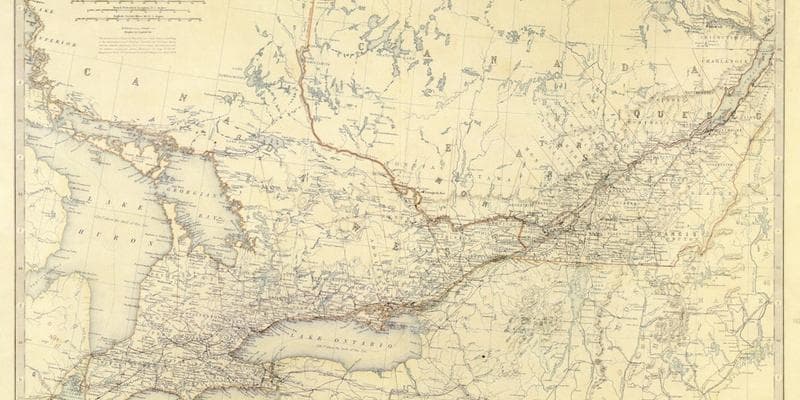
Geography, at its core, is about understanding our world, and maps are our primary tools. However, many students stumble over simple map-reading errors that hinder their comprehension. Let's explore some common pitfalls and how to overcome them.
Mistake 1: Ignoring Map Scale
- Why it happens: Students often see a map as a direct representation without considering that distances can be vastly distorted. They might assume two visually similar areas on a map represent the same real-world distance.
- How to fix: Always locate and understand the map's scale. Whether it's a verbal scale (e.g., 1 inch = 100 miles) or a graphic scale, use it to accurately measure distances and compare sizes. Practice calculating real-world distances from the map.
Mistake 2: Misinterpreting Map Projections
- Why it happens: Different map projections distort the Earth's surface in unique ways (e.g., Mercator projection exaggerates areas near the poles). Without understanding this, students might incorrectly perceive the size or shape of continents.
- How to fix: Learn about common map projections (e.g., Mercator, Gall-Peters, Robinson) and their inherent distortions. Recognize that no flat map can perfectly represent a spherical Earth. Look for footnotes or explanations about the projection used.
Mistake 3: Overlooking Map Symbols and Legends
- Why it happens: The legend is the key to unlocking a map's information, but it's often skimmed or ignored. This leads to confusion about what features (mountains, cities, rivers) represent.
- How to fix: Make it a habit to always consult the map's legend first. Understand what each symbol, color, and line type signifies before attempting to interpret the map's data. If the legend is unclear, seek clarification.
By being mindful of these common mistakes, you can transform map reading from a source of frustration into a powerful tool for geographical understanding.