
Straightening Up Your Dance: Common Posture Mistakes and How to Correct Them
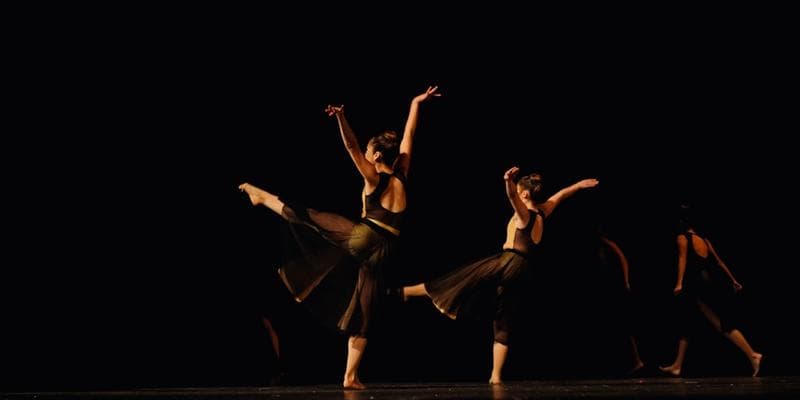
Welcome to July 2026! In the dynamic and expressive world of dance, whether you're a seasoned competitor or a passionate beginner, achieving fluid movement and captivating presence hinges on one critical element: impeccable body alignment. While the allure of intricate footwork and dazzling turns often takes center stage, overlooking fundamental posture can lead to inefficiencies, injuries, and a less polished performance. Let's delve into some common alignment blunders dancers make and discover actionable ways to straighten up your act.
Here are pivotal mistakes in body alignment and how to overcome them:
-
Mistake 1: Rounded Shoulders and Slouching
- Why it happens: Often a result of everyday habits, focusing solely on lower body steps, or a lack of consistent core and back engagement. It restricts breath and makes upper body movement look collapsed.
- How to fix: Actively engage your core muscles, drawing your navel towards your spine. Imagine a gentle string pulling the crown of your head upwards, elongating your spine. Gently draw your shoulder blades down and back, opening your chest without arching your lower back. Consistent self-correction during practice is key.
-
Mistake 2: Hyperextended Knees
- Why it happens: This often stems from an attempt to appear "straight" or fully extended, but it puts undue stress on the knee joints and limits shock absorption. It can also create an unstable base.
- How to fix: Always maintain a soft, micro-bend in your knees. Avoid locking them out. Engage your quadriceps gently to support the joint without stiffening. Practice standing and moving with this slight pliability to build muscle memory and protect your knees.
-
Mistake 3: Tucked or Arched Pelvis
- Why it happens: A tucked pelvis (pelvic tilt forward) can flatten the natural curve of the lower back, while an excessive arch (anterior pelvic tilt) exaggerates it. Both disrupt spinal alignment and core stability, hindering powerful and controlled movement.
- How to fix: Find your neutral pelvis. Stand with feet hip-width apart and gently rock your pelvis forward and backward a few times to find the midpoint where your hip bones and pubic bone are roughly in the same vertical plane. Engage your lower abdominal muscles and glutes lightly to maintain this balanced position.
-
Mistake 4: Tension in the Neck and Jaw
- Why it happens: Stress, concentration, or compensating for instability elsewhere in the body often manifests as tension in the neck and jaw. This restricts head movement, impacts expression, and can lead to discomfort.
- How to fix: Consciously relax your jaw and shoulders. Perform gentle neck rolls before and during practice to release tension. Ensure your shoulders are down and away from your ears. Remember to breathe deeply, as shallow breathing often contributes to upper body tension.
By addressing these common alignment mistakes, dancers can unlock greater fluidity, strength, and artistry, transforming their performances and preventing potential injuries.