
Indoor vs. Outdoor Swimming: A Deep Dive into Their Distinct Benefits and Drawbacks
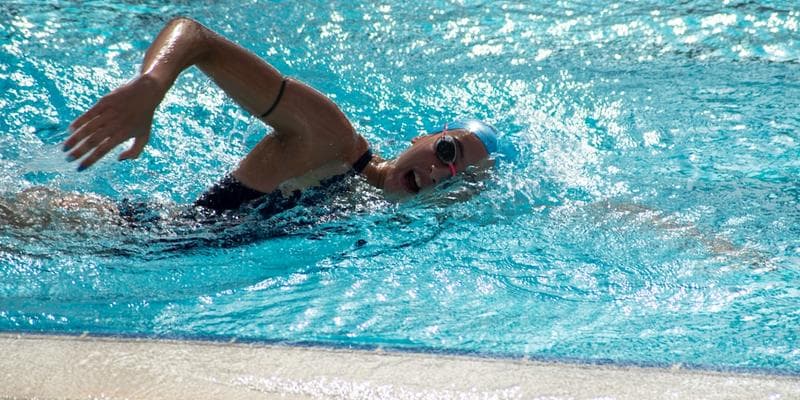
Swimming, a universally loved sport and exercise, offers an incredible full-body workout and mental rejuvenation. As we look ahead to July 2026, many enthusiasts still ponder a fundamental choice: should I swim indoors or embrace the great outdoors? Both environments offer unique advantages and disadvantages that significantly shape your aquatic experience. Understanding these distinctions is crucial for aligning your swimming routine with your personal goals and preferences.
Let's explore the contrasting worlds of indoor pools and open waters:
| Feature | Indoor Swimming (Pools) | Outdoor Swimming (Open Water/Pools) |
|---|---|---|
| Environment | Controlled temperature, calm water, predictable lanes. | Varied temperatures, currents, waves, marine life (open water), sun exposure. |
| Accessibility | Year-round availability, often urban locations. | Seasonal, weather-dependent, requires specific locations (beaches, lakes). |
| Training Focus | Structured laps, technique refinement, consistent conditions. | Endurance building, adaptability, navigating natural elements, less structured. |
| Experience | Routine, focused, less distractions, often social. | Adventure, connection with nature, refreshing, often solitary or group exploration. |
| Weather Impact | None, fully sheltered. | Highly dependent on sun, rain, wind, water conditions. |
| Cost | Membership fees, pool entry. | Often free (natural bodies), but gear might be more specialized (wetsuits). |
Pros & Cons Overview:
- Indoor Swimming:
- Pros: Consistency, ideal for technique work, weather-proof, often heated, readily available in many areas.
- Cons: Chlorine exposure, can feel monotonous, crowded lanes, artificial environment.
- Outdoor Swimming:
- Pros: Mental health benefits from nature, variety, sense of adventure, fresh air, often less crowded (open water).
- Cons: Weather-dependent, safety concerns (currents, boats, marine life), colder water, less structured for lap training.
Ultimately, the choice between indoor and outdoor swimming boils down to individual priorities. If consistency, structured training, and controlled conditions are paramount, indoor pools are your sanctuary. However, if you crave adventure, a deeper connection with nature, and the invigorating challenge of unpredictable elements, then outdoor swimming calls your name. Many swimmers find a balanced approach, utilizing both environments to maximize their benefits throughout the year.